
CALL NOW & SCHEDULE TODAY
(805) 474-4747
Spinal decompression therapy is a non-surgical treatment that uses gentle, controlled traction to reduce pressure on the spine, discs, and surrounding nerves. It is often used for people with disc-related pain, sciatica, and chronic back or neck problems, especially when basic rest or short-term care has not provided enough relief.
Spinal decompression therapy is designed to create space in the spine. That space can help reduce pressure on compressed discs and nerves, which may ease pain and improve movement. The treatment is typically done on a specialized table that slowly stretches and relaxes the spine in a controlled pattern.
Unlike forceful stretching, decompression is measured and precise. The goal is to target the affected area without putting extra strain on nearby tissues. Many patients describe it as a gentle pulling sensation rather than a painful process.
The therapy may be used on the lower back or the neck, depending on the patient’s condition. It is commonly included in chiropractic and rehabilitation settings as part of a broader care plan.
The basic idea behind spinal decompression is simple: when the spine is gently stretched, pressure inside the discs can decrease. That reduction in pressure may allow bulging or herniated disc material to move away from irritated nerves. It may also help improve the flow of oxygen, water, and nutrients into the disc, which supports healing.
During a session, the patient lies comfortably on a motorized table with a harness secured around the hips or trunk. The table moves through cycles of pulling and relaxing, which helps avoid muscle guarding and keeps the treatment controlled. A provider sets the force, angle, and timing based on the patient’s condition.
Most patients do not feel sudden movement or sharp pain during treatment. Instead, they usually feel a gradual stretch. A typical plan often includes multiple sessions over several weeks rather than a single visit.
Spinal decompression therapy is often considered for people with pain that seems related to discs or nerve compression. This includes herniated discs, bulging discs, degenerative disc disease, sciatica, spinal stenosis, and certain forms of chronic neck or back pain. It can also be considered when pain travels into the arms or legs.
Some people are good candidates because they have tried other conservative treatments without enough success. Others may want to avoid surgery and are looking for a non-invasive option before moving to more aggressive care. In those cases, decompression may be one part of a larger treatment plan that also includes exercise, posture work, or chiropractic care.
People who often ask about decompression include those with recurring low back pain, stiffness that keeps coming back, numbness or tingling from nerve irritation, and pain that increases with sitting or bending. A proper evaluation matters because not every kind of back pain comes from the same source.
Several spinal problems are frequently associated with decompression therapy. These include disc bulges, disc herniations, worn discs, irritated nerve roots, and pain that radiates down the leg or arm. In some cases, it may also be used for facet-related irritation or general spinal compression.
The treatment is not meant to replace all other care. It works best when a provider matches it to the right condition and combines it with a broader strategy for healing and stabilization.
A decompression session usually begins with the patient lying on a padded table and being secured with a harness. The table then applies gentle, computer-controlled traction in cycles. The session often lasts around 20 to 45 minutes, depending on the setup and care plan.
Most patients find the treatment relaxing rather than uncomfortable. Some feel a mild stretch or pressure release in the spine. If the therapy is done correctly, it should not create sharp pain.
After treatment, some patients feel looser right away, while others notice changes only after several visits. The response depends on the severity of the condition, how long the issue has been present, and how the body responds to care.
Spinal decompression is not the same as surgery. Surgical decompression removes or reshapes tissue to relieve nerve pressure, while non-surgical decompression uses traction to help reduce stress on the spine. These are very different treatments, used for different situations.
It is also not a quick fix for every type of back pain. Muscular strain, inflammation, poor posture, and joint irritation may need different care. That is why a proper evaluation is important before starting treatment.
Decompression also does not guarantee results for every patient. Some people improve a lot, some improve modestly, and some may not be ideal candidates. Honest screening helps patients know whether the therapy is worth trying.
For many people, spinal decompression is considered a low-risk, non-invasive option. Still, it is not right for everyone. People with certain spinal fractures, advanced osteoporosis, infections, tumors, or other serious conditions may need a different approach.
Pregnancy can also affect whether the therapy is appropriate. A provider should always review medical history, symptoms, imaging (if available), and any previous treatments before starting. That step helps avoid unnecessary risk and increases the chance of success.
It is also important that decompression be delivered by a trained provider who understands spinal mechanics. The force, timing, and patient positioning all matter. Poorly applied traction can be ineffective or irritating, which is why experience matters.
Many patients choose spinal decompression because they want a conservative option that targets the source of the problem rather than only masking symptoms. When disc pressure or nerve irritation is involved, that can be a meaningful difference. It gives people a chance to work on recovery without immediately moving toward injections or surgery.
The therapy also complements other forms of chiropractic care. It can be used alongside adjustments, soft-tissue work, corrective exercises, and posture changes. That combination often makes more sense than relying on a single treatment.
For patients living with recurring pain, the biggest appeal is often the possibility of longer-lasting relief. If decompression helps calm the disc and surrounding tissues, the body may have a better chance of stabilizing and healing.
Spinal decompression therapy is for people whose pain may be linked to disc pressure, nerve irritation, or chronic compression in the spine. It works by gently stretching the spine in a controlled way to reduce pressure, increase the space between spinal structures, and support healing within the disc. For the right patient, it can be a valuable non-surgical option that fits into a broader plan of care.
At Bend Chiropractic, Inc., the key is matching the treatment to the person, not just the diagnosis. A careful evaluation helps determine whether spinal decompression is a good fit and whether it should be combined with other therapies for the best possible outcome.




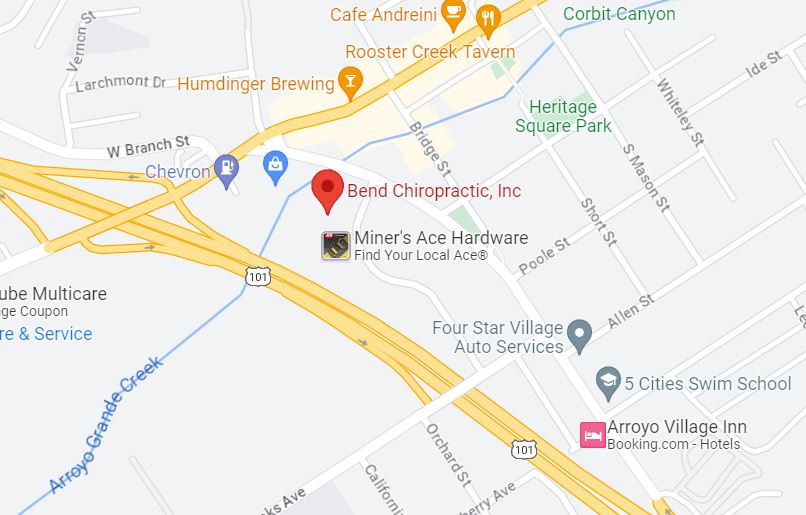 172 Station Way
  SOCIAL


